Online Bachelor of Social Work

Program Overview
A career in social work offers a wide range of responsibilities and the opportunity to make a meaningful impact on individuals and communities.
What does a Social Worker do?
Social workers often find themselves in various settings, providing essential support and guidance. In educational environments, they work closely with children, offering therapy sessions and helping them navigate personal and academic challenges. In the realm of family services, social workers play a critical role in counseling families, assisting them in overcoming difficulties to maintain family unity and retain custody of their children. Additionally, social workers engage in advocacy and policy work, where they analyze new research, review policy proposals, and collaborate with lawmakers to promote the welfare of at-risk populations. This broad scope of activities highlights the versatility of social work and the vital role social workers play in addressing complex social issues.
Program Highlights
High Quality Education
- Social Work Ethics: Understanding the ethical principles that guide social work practice is crucial. UC Online’s program ensures that you develop a deep understanding of these principles and their practical application.
- Human Behavior and the Social Environment: You’ll study the ways in which individuals and communities interact, develop, and change. This knowledge is essential for assessing and addressing the needs of clients.
- Social Work Practice: The program includes hands-on experience and case studies that prepare you for real-world situations. You’ll learn how to assess, intervene, and advocate for clients effectively.
In the final year of the BSW program, students complete 432 hours (12 credit hours) in field placement (approximately 16 hours/week). This practical component is a cornerstone of the program, providing supervised experience in various social work settings. The School of Social Work collaborates with students to arrange field placements that align with their interests, career aspirations, and geographical location.
Fieldwork is crucial for several reasons:
- Practical Experience: Fieldwork allows students to apply classroom learning in real-world scenarios, enhancing their understanding of social work practices and principles.
- Skill Development: Through field placements, students develop essential skills such as client assessment, case management, and intervention strategies.
- Professional Networking: Field placements offer opportunities to connect with experienced social workers and other professionals, which can be valuable for future job searches and career growth.
- Personal Growth: Working in different environments helps students build empathy, resilience, and a deeper understanding of the challenges faced by different populations.
Additionally, through a partnership with CECH at the University of Cincinnati, students of our online social work program can gain additional credentials in Substance Abuse Counseling. By participating in this special course, students will fulfill the educational requirements for the Ohio Chemical Dependency Counseling Assistant Phase 1 (CDCA Phase 1) Exam or a similar exam in their home state. Students should check with their home state’s addictions counseling credentialing board for specific requirements.
Flexibility
- Easy credit transfer
- Fully Online (No Campus Visits)
- Complete in as little as 5 semesters
Support from Application through Graduation
At UC, you’ll have a full support team behind you:
Enrollment Services Advisor: Your partner through the application process, getting enrolled, and starting your program
Student Success Coordinator: Helping you prepare for classes and stay on track
Access to Resources: Access to university resources that will support you through your program including online learning expectations and resources, health and wellness resources, and academic support
Curriculum
Bachelor’s degree-seeking students in the online Social Work program are required to complete a minimum of 120 semester credit hours for graduation. 24 credits are required to transfer into the program and up to 90 semester credit hours of prior college coursework taken at an accredited institution can be transferred in and applied to the program.
Through a partnership with CECH at the University of Cincinnati, students of our online social work program can gain additional credentials in Substance Abuse Counseling. By participating in this special course, students will fulfill the educational requirements for the Ohio Chemical Dependency Counseling Assistant Phase 1 (CDCA Phase 1) Exam or a similar exam in their home state. Students should check with their home state’s addictions counseling credentialing board for specific requirements.
| Course | Title/Description | Credit |
|---|---|---|
| SW3030 | Introduction to Social Welfare Institutions and the Social Work Profession This introductory course provides students with anoverview of social services and the social work profession, including social work fields of practice, social service agencies, and levels of social work practice. Students will learn about the knowledge, beliefs, and values on which socialwelfare institutions and the profession of social work are based; the effects of political and economic resources on social service delivery systems; poverty; human diversity (e.g. gender, ethnicity, age, physical ability, sexual orientation); and fields of practice. The course also provides a service learning opportunity (a required volunteer experience). |
3 |
| SW2050 | Families in America Through the lens of critical theory, the overarching goal of this course is to study the diversity of American families from a multigenerational developmental perspective. The family will be examined as a social system moving through time, with a focus on the challenges the family faces as they go through the family life cycle from courtship to old age. Because families are embedded within a social environment, we will explore how culture and societal forces affect the family life, and how certain policies, structures, attitudes, and behaviors marginalize and discriminate against non-traditional families. This course focuses on the ways in which the social work profession responds to contemporary families under stress, and how the values and ethics of the profession guide social work practice. In order to understand family processes that enable the family to meet the needs of its members, students will learn the importance of the person-in-environment fit, specifically examining how diversity, equity and inclusion issues impact family from a systems perspective. Students will learn about the major theoretical models that help us understand how family’s function such as systems, role, feminist, intergenerational, social learning, conflict, and ecological theories. |
3 |
| SW2055 | Poverty in America This course explores multiple aspects of poverty including the number of Americans affected, the role of the government in the plight of the poor, and the evolution of the welfare system and welfare reform policies. Groups at highest risk for poverty will be highlighted, including children, single parent households, older adults, and those with chronic illness and disabilities. Social work values of self-reliance, economic security, productiveness, advocacy, and self-determination and their role in finding solutions to poverty will be highlighted. |
3 |
| Course | Title/Description | Credit |
|---|---|---|
| SW3040 | Human Behavior in the Social Environment I This is the first course of a two semester sequence required of all social work majors. Its bio-psycho-social systems approach focuses on the life stages of infancy, childhood and adolescence.The course utilizes a general systems theoretical approach that incorporates concepts from both the eco-systems and family life cycle perspectives. This course seeks to provide the student with a broad understanding of human behavior and developmental theories such as Erikson, Piaget, Bowlby and other psycho-social theories as well asthe research evidence that supports those theories. The primary goal of this course is the enhancement of the generalist's ability to apply these theoretical frameworks for direct practice, and to critically analyze policies and programs that affect both individual and family development. |
3 |
| SW3041 | Human Behavior in the Social Environment II This is the second course of a two semester sequence required of all social work majors. Its bio-psycho-social systems approach focuses on the life stages of young adulthood through later adulthood. The course utilizes a general systems theoretical approach that incorporates concepts from both the eco-systems and family life cycle perspectives. This course seeks to provide the student with a broad understanding of human behavior and developmental theories such as Erikson, Glasser, and other psycho-social theoriesrelated to adulthood and aging as well as the research evidence that supports those theories. A primary goal of this course is the enhancement of the generalist's ability to apply these theoretical frameworks to direct practice, and to critically analyze policies and programs that effect both individual and family development. |
3 |
| SW3050 | Introduction to Generalist Social Work Practice This course is the first in a series designed to prepare students for entry-level professional social work practice. A conceptual framework for practice at multiple levels of the client system is introduced. The framework uses ecological and systems theory to focus on the |
3 |
| Course | Title/Description | Credit |
|---|---|---|
| SW3042 | Mental Health Perspectives in Social Work This course will focus on social work with individuals who suffer from mental illness. It will include an overview of the systems of the service that are currently in place and interact with individuals and families who suffer from the effects of mental illness and mental disorders. Issues for clients and families will be explored and the history of mental illness will be examined in relation to progress that has been made in the service system. Social justice, ethical issues, and the elimination of stigma for persons with mental disorders will be focused on. Human diversity will be examined in relation to treatment issues. The course focuses on approaches that enhance problem-solving and coping strategies and are empowering and supportive to clients, both individually and in groups and families. |
3 |
| SW3051 | Human Diversity and Generalist Social Work Practice This course is designed to prepare students to recognize and address issues of diversity in Social Work practice through the acquisition of knowledge and skills for cultural competence. Cultural competence "refers to the process by which individuals and systems respond respectfully and effectively to people of all cultures, languages, classes, races, ethnic backgrounds, religions, and other diversity factors in a manner that recognizes, affirms, and values the worth of individuals, families, and communities..." (NASW, 2006). In addition, this course distinguishes implications for culturally competent practice with diverse groups at the micro, mezzo, and macrolevels. As students gain greater understanding of the strengths, values, family structure, and communication styles of various groups within our society, they will demonstrate the ability to establish a working relationship across lines of difference. Human suffering, oppression, and discrimination result from social and economic injustice. With this in mind, this course also includes an emphasis upon identifying and eradicating forms of institutionalized oppression and discrimination. |
3 |
| SW3031 | Social Welfare Policy This course builds upon the basic content of social welfare policy introduced in previous social work courses (SW1050 or SW3030). It presents a framework for analyzing social welfare policy and programs. The framework is applied to examples from policy areas of special interest to social workers, including income maintenance, health care and personal social services. Studentsare exposed to some of the major contemporary themes in social policy including universalism andselectivity, entitlements and state control, blockgrants versus open-ended funding, cash/in-kind benefits, privatization, decentralization, the social role of government, and selected topics on the public agenda (e.g. welfare reform, homelessness, child and family welfare). |
3 |
| SW4050 | Generalist Social Work Practice with Communities and Organizations This course builds on Introduction to Generalist Social Work Practice and Generalist Social Work Practice with Groups by applying ecological and systems theory and the problem-solving framework to generalist social work practice with macro systems. Students will examine social work theory and methods for practice with communities and organizations. Skills for analyzing organizations, identifying needs for change, and planning and implementing interventions for changing organizational policies and procedures will be emphasized. The definitions of community will be examined, and skills for assessing communities' needs as well as planning and implementing interventions to improve community well-being will be highlighted. Attention is focused on the ways issues of human diversity affect organizations and communities, and on enhancing the ways organizations can promote social and economic justice for groups experiencing oppression and discrimination. SW4050 is to be taken concurrently with SW4060, SW4070 and SW4080. |
3 |
| SW3052 | Generalist Social Work Practice With Groups This course builds upon Introduction to GeneralistSocial Work Practice by using ecological and systems theories and the problem-solving frameworkfor generalist social work practice with groups. The main focus of this course will be on the stepsof group development including planning a group, clarifying purpose, group composition, group cohesion, assessing group process and member goal achievement and termination processes. Students will develop leadership skills including communication, engagement, facilitation of group process and self-awareness in the group leader role. This course will provide opportunities for students' skill development through experiential groups. Students will learn both task and treatment modalities and the appropriate selectionof specific interventions based on research evidence for effective and ethical group practice.Issues of human diversity and their impact on group development will be emphasized. |
3 |
| SACN1000 | Introduction to Substance Abuse Counseling This course is designed to provide an overview of the field of substance abuse counseling and its graduate level academic trajectories (counseling, social work, psychology, etc.) Students will be oriented to the learning expectations of the program and the university consistent with UC's baccalaureate competencies. Students will develop a portfolio, including a career plan and personal learning contract, which will be supplemented throughout the course of the substance abuse counseling program. |
3 |
| SACN2000 | Basic Pharmacology This course provides students with concepts in pharmacology explored through the lens of substance use disorders. Students will gain an understanding of the human nervous system, learning how it reacts to addictive drugs and the physiological reasons one becomes dependent. In addition, students will learn about clinical trials and the research designs used to test the safety and efficacy of prescription medications. Finally, students will explore the role of drug therapies, including opioid replacement therapies, in substance abuse treatment settings. |
3 |
| SACN2011 | Drugs and Behavior In this course, students will review the individual, family, and societal factors that are associated with individual substance use. In addition, this course will explore the biochemical and predisposition variables of chemical dependency, as well as the psychological and behavioral effects on the dependent person and the family system. Primary therapeutic and relapse interventions are presented as well as an overview on prevention models. |
3 |
| SACN2021 | Assessment and Diagnosis in Substance Abuse Counseling The purpose of this course is to introduce students to clinical assessment and diagnostic processes in substance abuse counseling. The students will learn the key elements of the multidimensional assessment process, which will include the use of various screening and assessment tools, proper interviewing techniques, and impediments to the assessment process. Students will be introduced to the Multiaxial System in the Diagnostic and Statistical Manual (DSM) with specific concentrations on substance use disorders. |
3 |
| Course | Title/Description | Credit |
|---|---|---|
| SW4060 | Social Work Research I This course covers the basic concepts and methodologies used in empirical investigations of social work problems, in particular, the philosophic bases of scientific inquiry, techniques and principles of measurement, research designs, data collection, and descriptive data analysis. Experimental, single system, survey, longitudinal, and cross sectional designs are discussed in relation to knowledge generation, practice and program evaluation, and knowledge utilization in social work. Students will use knowledge gained to develop a proposal for a research project to be carried out in Research II. In addition, the influence that personal values have on the conceptualization of research questions will be examined as well as the need to appreciate human diversity when conducting research. The profession's Code of Ethics will be explored to ensure students understand and follow ethical guidelines when conducting research (e.g., protection of human subjects, informed consent, confidentiality), and mechanisms for compliance (e.g., Institutional Review Boards) will be examined. |
3 |
| SW4070 | Social Work Field Learning I Field Learning I is the first semester of the year-long internship designed to give senior BSW students opportunities to apply social work knowledge, values and skills to practice situations. In this placement, the fundamental principles of generalist social work practice will be carried out through engagement, assessment, intervention, or prevention activities with individuals, small groups, families, communities, and organizations. Students will develop their ability to identify the ways that contexts impact the client's circumstances with special attention to the ramifications of diversity matters as well as social and economic justice concerns. Critical thinking skills will be called upon to analyze the ethical aspects of client situations and students will be required to use available research to inform practice. |
5 |
| SW4080 | Social Work Field Seminar I This is the first semester of the year-long senior Field Seminar designed to promote the integration of social work knowledge, values, and skills learned in the classroom with the experiences gained through the concurrent agency-based field placement. In this course, students will consider common experiences and concerns encountered in beginning fieldwork as they develop an understanding of the organization, take on the role of social worker, and initiate the helping process with clients using the person-in-environment perspective. By reflecting on their own practice, students will begin the transition to professional social worker. |
1 |
| SW4051 | Generalist Social Work Practice with Individuals and Families This is the final course in a series designed to prepare students for social work practice. This course builds on previous courses by using ecological and system theories and the problem solving framework for generalist social work practice with individuals and families. Students will explore ethical dilemmas and develop criticalthinking skills through application to field work experiences. A major focus will be refinement of skills for the planned process of change, including engagement, assessment, goal setting, treatment planning and intervention, evaluation, and termination. Managing the helping relationshipand goal-setting in the cross-cultural context andwith involuntary clients will be emphasized. Assessment skills will be enhanced through the useof previously acquired knowledge of theories of human behavior and development, issues of diversity, and mental health perspectives. Intervention methods taught may include solution focused, motivational interviewing, cognitive-behavioral, crisis intervention and family treatment strategies. Students will learn to select appropriate interventions based on research evidence for effective and ethical |
3 |
| SW4061 | Social Work Research II This course provides the student with an in-depth examination of research methodologies employed in social work practice. In particular, investigationmethods used at the Micro and Macro levels of practice will be explored. In addition, the influence of personal values, the organizational context, and human diversity on the formulation and research implementation will be a primary focus. Students will utilize information technology for the purposes of: (1) data collection, analysis, and presentation; (2) information management; and (3) information retrieval, as they revise and carry out the research project developed in Research I. |
3 |
| SW4071 | Social Work Field Learning II Field Learning II is the second semester of the year-long internship designed to give senior BSW students opportunities to apply social work knowledge, values and skills to practice situations. In this placement, the fundamental principles of generalist social work practice will be carried out through engagement, assessment, intervention, or prevention activities with individuals, small groups, families, communities, and organizations. Students will be able to identify the ways that contexts impact the client's circumstances with special attention to the ramifications of diversity matters as well as social and economic justice concerns. Critical thinking skills will be called upon to determine optimal ethical intervention strategies and students will be required to use available research to inform practice. |
5 |
| SW4081 | Social Work Field Seminar II This is the second semester of the year-long senior Field Seminar designed to promote the integration of social work knowledge, values, and skills learned in the classroom with the experiences gained through the concurrent agency-based field placement. In this semester, students will consider common experiences and concerns encountered in fieldwork as they integrate theory and knowledge with the person-in-environment perspective to assess and intervene in client situations, reason through ethical dilemmas, use research to inform their practice, and identify ways to advocate for human rights and social and economic justice. By reflecting on their own practice, students will continue the transition to professional social worker. |
1 |
Admission Requirements
Prerequisites
- You have a minimum of 60 completed credit hours from an institutionally accredited institution
- You have a GPA of at least 2.75 across all college coursework
- You must obtain the equivalent of at least 11 of UC’s General Education Requirements listed below with a C- or better in all courses except the arts + humanities:
- BIOL 1021
- ECON 1001
- ENGL 1001
- ENGL 2089
- HIST 1001 or 1002
- POL 1010
- PSYC 1001
- SOC 1001
- STAT 1031
- SW 2050 or SOC 2075
- SW 2043 or SOC 2055
- SW 3030 and 3 Free Elective Hours or SW 1050 and SW 1051
- 3 credit hours of Natural Science coursework
- 10 credit hours of Foreign Language and/or Society, Culture, & Ethics coursework
- 3 credit hours of Arts & Humanities coursework with the Civility & Democracy course attribute
- 3 credit hours of Arts & Humanities coursework without the Civility & Democracy course attribute
- 5 credit hours of free elective coursework
- To approximate which of your existing college credits will transfer, please visit: transferology.com
Application Process
Complete the online application and submit the application fee.
Standard Application Fees*:
- $50.00 for domestic applicants to most degree programs
- $100.00 for international applicants to most degree programs
- Fee waivers are automatically applied for applicants who:
- are currently serving in the US armed forces
- are veterans of the US armed forces
*Application fees for online programs are waived through Spring 2027 for all applicants.
After submitting your application form, all applicants are required to have official transcripts sent directly to University of Cincinnati in order to be eligible for admissions review.
- First-Year and Transfer Applicants with Fewer Than 24 Completed Semester Hours at a Prior College:
- Order official transcripts from your high school and all prior colleges (if applicable) for delivery directly to University of Cincinnati.
- Transfer Applicants with 24+ Completed Semester Hours at a Prior College:
- Order official transcripts from all prior colleges for delivery directly to University of Cincinnati.
- You are exempt from the High School transcript requirement, this item will be removed from your application checklist once your college documents are received.
Please review the section below for guidance on how to submit your transcripts.
Online transcript request systems are the preferred method to deliver official transcripts electronically. To see if your transcript(s) can be ordered electronically, visit the links below and search for your previous school(s).
- Parchment
- Please select “University of Cincinnati – Main Campus” as the recipient of your transcript.
- National Student Clearinghouse
- Please have your transcript sent directly to admissions@uc.edu.
If you do not see your past school(s) listed on either site, please contact the school(s) directly to determine their ordering process.
If a physical copy must be sent, DO NOT request it be delivered to you. It must be sent directly from your prior school to the following address:
University of Cincinnati
Office of Admissions
PO Box 210091
Cincinnati, Ohio 45221-0091
Due to this program’s field work requirement, students are not eligible to complete the program while located outside of the United States.
Applicants with college coursework completed outside the United States are required to provide a course-by-course foreign credential evaluation for each college or university you attended outside the United States. This evaluation must be obtained from a service listed on the NACES member website.
Application Deadlines
| Term | Application Deadline | Classes Start |
|---|---|---|
Spring 2027 Summer 2027 Fall 2027 |
November 15, 2026 March 15, 2027 July 15, 2027 |
January 11, 2027 May 10, 2027 August 23, 2027 |
Tuition & Fees
The University of Cincinnati's online programs allow students to pursue degrees without having to quit their jobs. Our online courses offer the same quality education found on campus in a modern format that fits students’ tight budgets and busy schedules.
The University of Cincinnati's online course fees differ depending on the program.
To view tuition information and program costs, visit the Online Program Fees page.
Accreditation & Rankings
- The University of Cincinnati and all of its regional campuses are accredited by the Higher Learning Commission
- Our bachelor social work online is accredited by the Council on Social Work Education (CSWE) Commission on Accreditation and is evaluated by a peer review process

Licensure
Outcomes
Graduates of the University of Cincinnati’s BSW program are well-prepared for various career paths in social work. They can work in settings such as mental health clinics, schools, child welfare agencies, hospitals, and private practices. The program’s curriculum and fieldwork component enable graduates to pursue licensure and certifications, including:
The demand for social workers is expected to grow significantly, with the Bureau of Labor Statistics projecting a 12% increase in job opportunities through 2029. The median pay for social workers is $51,760, reflecting the profession’s rewarding nature and potential for career advancement.
High job satisfaction and stability are key benefits of a career in social work. The profession often appears on U.S. News & World Report’s list of 100 Best Jobs, underscoring its importance and impact. If you’re curious to learn more about social work careers, read our blog the offers guidance on the top careers in the industry.
Licensure
Federal regulations require the University of Cincinnati to publicly disclose whether completion of certain programs that lead or may lead to professional licensure or certification would meet a given state’s educational requirements for a specific professional license or certification required for employment in an occupation (regardless of whether the program is on-ground, online, or hybrid). To learn whether a University program meets a given state’s educational requirements, please visit the University of Cincinnati State Authorization webpage.
Testimonials
Cassandra E.
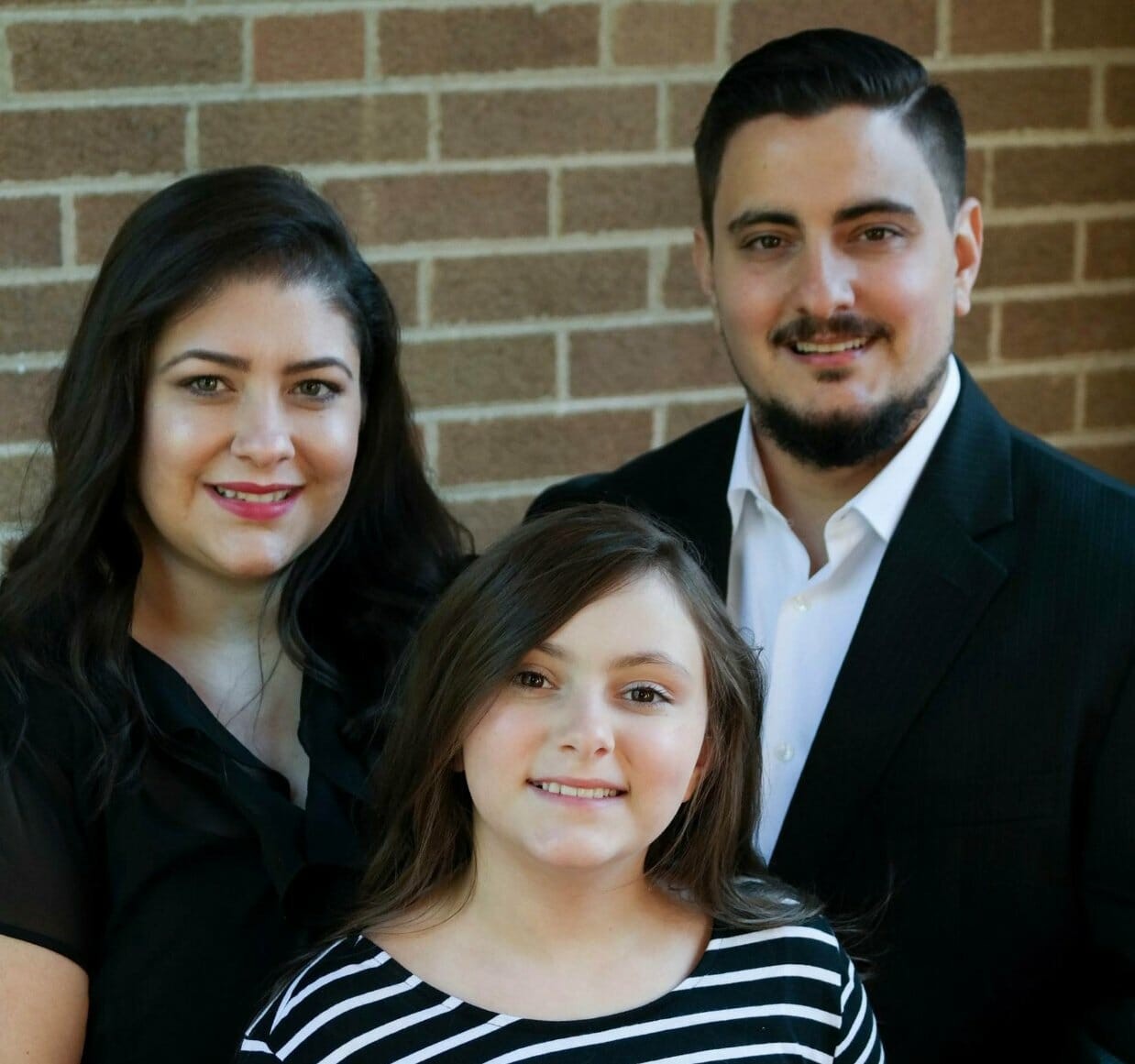
“I researched long and hard for an accredited online program before finding the University of Cincinnati, a highly regarded school with many years of academic excellence under its belt. As a busy working mom and wife, I appreciate that it offers so many online classes and programs tailored to adult/non-traditional students. The classes are well-structured and relevant to my field of study. I really like that there is constant communication between the school, professors, and students, which makes me feel like I am not missing out. I also think we have great faculty and staff. I am excited and proud to be a part of the University of Cincinnati family!”
Ana B.
BSW Social Work
Faculty
Meet Our Faculty
UC's online Bachelor of Social Work program is taught by experienced faculty who bring real-world practice alongside academic expertise. Our instructors hold advanced degrees in social work-related fields and have worked directly in settings ranging from child welfare agencies and mental health clinics to community organizations and policy advocacy. This means you're learning not just theory, but the skills practitioners actually use on the job.
Our faculty are committed to student success in an online environment. You'll benefit from regular feedback, accessible office hours, and instructors who understand the unique challenges adult learners and working professionals face when returning to school. Many faculty members are actively engaged in research and policy work, keeping your coursework current with evolving best practices in the field.
The School of Social Work maintains CSWE accreditation. This standard holds faculty qualifications and curriculum to rigorous national benchmarks so you can be confident your degree carries weight with employers and licensing boards in Ohio and across the country.
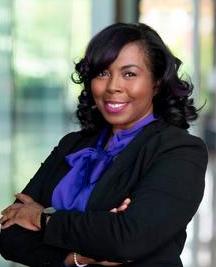
Shawnieka Evett Pope
Asst Professor - Educator, CAHS School of Social Work
166 HSB
Shawnieka’s expertise spans the lifespan. She served as Director of Social Services for a long-term care facility and was the first social worker appointed to a county probate court, where she launched the court’s first social work internship program. As Guardianship Director, she developed a wellness initiative for individuals under guardianship and created supportive services for court-appointed guardians. She also served as project manager for a local ADAMHS Board, overseeing trauma-informed services for communities impacted by crisis. Shawnieka draws from this experience in her role as a social work educator, preparing the future of social work.
Currently a PhD candidate, Shawnieka’s research centers on suicide among Black girls and the role of joy in mitigating suicidal behavior. Her work has earned several accolades, including MSW I Field Instructor of the Year, the Peter M. Magolda Teaching Excellence Award, and the NASW Ohio 2023 Region 7 and Statewide Social Worker of the Year awards. She presently serves as Co-Director of NASW Ohio Region 7.
Rebecka M Bloomer
Asst Professor (F2), CAHS School of Social Work
French Hall
Xan Boone
Assistant Professor, CAHS School of Social Work
175 HSB

Dana Michelle Harley
Professor (F2), CAHS School of Social Work
167 HSB
Daphne M. Brydon
Asst Professor (F2), CAHS School of Social Work
182 HSB
Edson Chipalo
Asst Professor (F2), CAHS School of Social Work
168 HSB
Wayne Kinney
Assoc Professor - Educator, CAHS School of Social Work
184 HSB
Amy McMahon
Asst Professor Educator; Program Director - BSW, CAHS School of Social Work
170 HSB
Courses taught include:
35-SW-352 Generalist Social Work Practice II
35-SW-504 Grant Writing
35-SW-730 Social Welfare Institutions and Programs
35-SW-731 Social Policy Analysis
35-SW-740 Social Work Practice with Organizations and Communities
35-SW-840 Social Welfare Administration
35-SW-841 Program Planning and Implementation
35-SW-856 Programs and Policies in Health and Aging
35-SW-6001 Issues of Sexuality
35-SW-7030 Social Welfare Policy and Practice
35-SW-8030 Social Welfare Administration
35-SW-8050 Programs and Policies in Health and Aging
Joe Douglas Minarik
Asst Professor - Educator, CAHS School of Social Work
172 French Hall
James L Pease
Assistant Professor of Social Work, CAHS School of Social Work
172 HSB
Tina Leigh Dothard Peterson
Assoc Professor, CAHS School of Social Work
166 French Hall
Jennifer Wright-Berryman
Professor (F2), CAHS School of Social Work
171 HSB
Dr. Wright-Berryman teaches research, mental health policy, and interprofessional suicide prevention for the health professions.
Selected Publications:
Books:
Zavattaro, S. & Wright-Berryman, J.L. (2025). Equity at the End: The New American Way of Death. Emerald Publishing.
Peer-Reviewed Articles:
Wright-Berryman, J. & Huber, K. (2026). Wright-Berryman, J., & Huber, K. (2026). Barriers and solutions to equitable funeral care in the US for the LGBTQIA+ community. Death Studies, 50(3), 458-469.
Wright-Berryman, J., Cohen, J., Haq, A., Black, D. P., & Pease, J. L. (2023). Virtually screening adults for depression, anxiety, and suicide risk using machine learning and language from an open-ended interview. Frontiers in psychiatry, 14, 1143175.
Cohen, J., Richter, V., Neumann, M., Black, D., Haq, A., Wright-Berryman, J., & Ramanarayanan, V. (2023). A multimodal dialog approach to mental state characterization in clinically depressed, anxious, and suicidal populations. Frontiers in psychology, 14, 1135469.
Pease, J. L., Thompson, D., Wright-Berryman, J., & Campbell, M. (2023). User feedback on the use of a natural language processing application to screen for suicide risk in the emergency department. The journal of behavioral health services & research, 50(4), 548-554.
Wright-Berryman, J. L., Thompson, D., & Cramer, R. J. (2022). Reducing suicide-related stigma through peer-to-peer school-based suicide prevention programming. Children and schools, 44(4), 216-223.
Cohen, J., Wright-Berryman, J., Rohlfs, L., Trocinski, D., Daniel, L., & Klatt, T. W. (2022). Integration and validation of a natural language processing machine learning suicide risk prediction model based on open-ended interview language in the emergency department. Frontiers in digital health, 4, 818705.
La Guardia, A., Wright-Berryman, J., Cramer, R.J., Kaniuka, A.R., & Adams Tufts, K. (2021, Online First). Interprofessional Suicide Prevention Education: Training Insights from a Course Disrupted by the COVID-19 Pandemic. Crisis.
Cohen, J., Wright-Berryman, J. Rohlfs, L. Wright, D. Campbell, M. Gingrich, D. Santel, D., & Pestian, J. (2021). A Feasibility Study Using a Machine Learning Suicide Risk Prediction Model Based on Open-Ended Interview Language in Adolescent Therapy Sessions. International Journal of Environmental Research and Public Health.
Cramer, R.J., La Guardia, A.C., Wright-Berryman, J., Long, M.M., & Adams Tufts, K. (2019). Integrating Interprofessional Education into Suicide Prevention Training: Results from a Continuous Quality Improvement Project. Social Work in Public Health. https://www.tandfonline.com/doi/full/10.1080/19371918.2019.1635950
Wright-Berryman, J., Hudnall, G., Bledsoe, C., & Lloyd, M. (2018). Suicide Concern Reporting among Utah Youths Served by a School-Based Peer-to-Peer Prevention Program. Children & Schools, 41(1), 35-44.
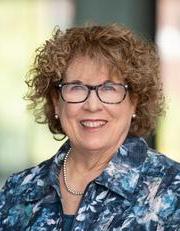
Lisa Zimmer
Director of Field Education; Assistant Professor-Field Service , CAHS School of Social Work
192-D HSB
Provide leadership to School faculty and students on field issues
Develop policies and procedures relevant to field experiences
Provide continuing education training to field instructors and community social workers
Advance Your Career with a BSW Degree
Earning your Bachelor of Social Work online from the University of Cincinnati is more than an academic achievement; it's a direct path to a profession that offers stability, purpose, and growing demand. Graduates of UC's online BSW program are prepared to enter the workforce immediately, with the skills and credentials employers in social services, healthcare, education, and government agencies look for when hiring.
The degree meets the educational requirements for licensure as a Licensed Social Worker (LSW) in Ohio, and our SWE-accredited curriculum satisfies the academic standards recognized by licensing boards in most U.S. states. Whether your goal is working with children and families, supporting individuals experiencing mental health challenges, or influencing policy at the community level, this degree opens those doors.
Here's what makes the BSW through UC Online a smart investment in your future:
- In-demand career: The Bureau of Labor Statistics projects 12% job growth for social workers through 2029—faster than average for all occupations.
- Competitive earning potential: The median annual salary for social workers is $51,760, with higher earnings in specialized and supervisory roles.
- Flexible, fully online format: Complete your degree without setting foot on campus, on a schedule designed to work around your life.
- Credit-friendly requirements: Transfer up to 90 semester credit hours from prior college coursework, reducing your time and cost to graduation.
- Dual credential opportunity: Through a partnership with CECH at UC, students can simultaneously fulfill the educational requirements for the Ohio Chemical Dependency Counseling Assistant (CDCA Phase 1) credential.
UC Online graduates enter the field ready to make a difference—equipped with both academic knowledge and 432 hours of supervised field experience gained during the program's year-long practicum.
Careers & Outcomes
Who Is This Program For?
This program may be a good fit for:
- Students preparing for entry-level social work practice
- Human-services professionals completing a bachelor’s degree
- Case managers and family-support professionals seeking advancement
- Professionals committed to advocacy and community well-being
- Students planning to pursue an advanced-standing MSW program
Career Opportunities
Social workers help individuals, families and communities address challenges, access services and strengthen their well-being. UC’s BSW combines academic preparation with supervised field experience.
Depending on state requirements and professional licensure, graduates may pursue roles such as:
- Social worker
- Case manager
- Family support specialist
- Child welfare specialist
- Community outreach coordinator
- Human-services specialist
- Patient navigator
- Social services coordinator
- Behavioral health case manager
Graduates may find opportunities in healthcare, behavioral health, schools, child and family services, aging services, government agencies, nonprofit organizations and community programs.
With experience, licensure or graduate education, professionals may advance into roles such as licensed social worker, healthcare social worker, school social worker, program coordinator, care-management specialist, policy specialist or community-practice specialist. Longer-term opportunities may include clinical supervisor, social services manager, program director or community agency leader.
Clinical social work requires a master’s degree, supervised post-graduate experience and the applicable state license.
Career Outlook
The Bureau of Labor Statistics reports that social workers earned a national median annual wage of $61,780 in May 2025. Employment is projected to grow 6% from 2025 to 2035, with approximately 69,100 openings projected each year.
Median wages vary by specialization. In May 2025, healthcare social workers earned a median annual wage of $67,880, while mental health and substance abuse social workers earned $60,280.
These figures are national occupational data and are not program-specific salary or employment outcomes. Bureau of Labor Statistics: Social Workers
Build Your Credentials
Social work licensing requirements vary by state. Graduates may be eligible to pursue a bachelor’s-level social work license or credential where one is available, but students should confirm the requirements of the jurisdiction in which they intend to practice.
Clinical social work licensure requires a Master of Social Work, supervised clinical experience and successful completion of the applicable licensing examination. Some positions in schools, healthcare or behavioral health may have additional credentialing requirements.
Continue Your Education at UC
Graduates may continue into UC’s Master of Social Work, which prepares students for advanced social work practice through graduate coursework and field education.
Eligible graduates of a CSWE-accredited BSW program may qualify for UC’s Accelerated Master of Social Work. Completing an MSW can support progression into advanced practice, clinical licensure, supervision, policy, program administration or doctoral study.
Admission and advanced-standing requirements vary. Graduates should also review the licensing requirements of the state where they plan to practice.

Ready to get started?
We offer over 130 degrees from undergraduate to doctoral programs. Each program is supported by a team of Enrollment Services Advisors (ESAs) who are here to help answer any questions you have.