Online Doctorate of Clinical Lab Science

Program Overview
A Doctorate of Clinical Laboratory Science (DCLS) from the University of Cincinnati Online is built for professionals at the baccalaureate and graduate levels seeking to expand their knowledge and skills to high-complexity laboratory positions. These can include faculty positions in education programs, governmental, or clinical laboratory settings.
Doctor of Clinical Laboratory Science
Our doctorate program seeks to improve the quality, efficiency, and safety of laboratories across the nation and improve the overall quality of healthcare. Laboratory science professionals relay crucial test results to physicians and require High Complexity Laboratory Directors (HCLDs) to manage and educate those seeking to advance. This program teaches the skills needed to assume these roles and beyond. It can be considered the next step from existing online laboratory science degrees also offered online at the University of Cincinnati: Bachelor of Science in Medical Laboratory Science and Master of Science in Medical Laboratory Science Leadership.
The Doctor of Clinical Laboratory Science (DCLS) is designed to increase diagnostic efficiency among professionals in laboratories. Whether students are clinical laboratory scientists (CLSs) or medical technologists (MTs) who have at least a bachelor’s degree, they can qualify for this program which will help them accomplish even more.
Program Highlights
High Quality Education
The Doctor of Clinical Laboratory Science program’s goal is to provide students at the baccalaureate and graduate levels with additional knowledge, skills, and attributes that help medical laboratory science professionals succeed. These include attributes in leadership, education, research, and advanced practice that will allow these professionals to meet their professional goals and to maintain and improve the quality of health care nationwide. The DCLS program coursework is built to emphasize the competencies that help medical laboratory professionals serve as leaders, clinical practitioners, and educators according to the American Society for Clinical Laboratory Science (ASCLS) and the American Society for Clinical Pathology (ASCP).
Flexibility
- Full and Part-Time Options
- Pathways for Those with Bachelor and Master’s Degrees
- Hybrid Learning Between In-Person Residency and Asynchronous Online Coursework
- Opportunity to Complete Residency at a Facility Local to the Student
- World-Class Faculty Leadership
- Scholarship Opportunities for Active Military and Veterans
Support from Application through Graduation
At UC, you’ll have a full support team behind you:
Enrollment Services Advisor: Your partner through the application process, getting enrolled, and starting your program
Student Success Coordinator: Helping you prepare for classes and stay on track
Access to Resources: Access to university resources that will support you through your program including online learning expectations and resources, health and wellness resources, and academic support
Curriculum
The University of Cincinnati is dedicated to helping all students take the necessary courses to finish their degree as efficiently as possible. The DCLS program includes paths for students with Bachelor’s and Master’s degrees in medical laboratory science and related fields.
- Post-Baccalaureate Student Credit Requirement: 81 Credits
- UC’s Master’s in MLS Leadership Graduate Degree Student Credit Requirement: 60 Credits
A full-time student can finish this program in as little as three years, while a part-time student can finish in as little as six years. These include:
- Up to 63 credit hours (depending on whether a student has a bachelor’s or master’s degree) of Core Courses
- 9 credit hours of Elective Courses
- At least 9 credit hours of Clinical Experience
| Course | Title/Description | Credit |
|---|---|---|
| MLSC6010 | Interprofessional Collaborative Practice in Healthcare This course will cover the foundations of inter-professional practice by reviewing the professional roles, expectations with respect to the professional standards of practice, and code of ethics applicable to the dynamic health care environment. The course will further introduce students to the concepts and support for interprofessional collaboration and education, reflective practice, and team building. Students will engage in weekly learning activities, case study analysis and development. |
3 |
| MLSC6050 | Laboratory Diagnostics and Pathophysiology This course provides an overview of the human organ systems, the pathophysiology of the disease processes (physical and mental), associated with the cardiovascular, pulmonary, hepatic, and renal systems. The course will explore the relationship of the disease symptoms with the laboratory diagnostic test results. |
3 |
| MLSC7006 | Applied Patient Health Assessment and the Role in Diagnostics This course introduces the health care student to the knowledge and skills necessary for the performance of a comprehensive and focused health assessment. This course addresses health assessment across the life span to include pediatric, adult, and geriatric content. Data to collect when eliciting a health history, the basic principles of performing a physical assessment, diagnostic study interpretations and examination techniques will be explored. |
3 |
| Course | Title/Description | Credit |
|---|---|---|
| MLSC7001 | Medical Laboratory Leadership This course provides detailed instruction in the development of effective leadership, managerial, organizational skills related to the unique finance structures (i.e. testing and coding, federal, and private party reimbursements etc.), accreditation and regulation of health care services and human resource management, laboratory personnel competency and educational programming in a clinical laboratory setting. Students will develop and demonstrate the unique skills necessary to lead a laboratory or educational unit through lecture, discussion and reflection based on their personal and professional experiences. |
3 |
| MLSC7002 | Investigative and Evidence-Based Medical Laboratory Leadership This course emphasizes the evaluation of clinical laboratory processes and how to utilize this information effectively as a leader in working with others to develop a culture of competent laboratory professionals. The course focuses on advanced methods in clinical medicine to evaluate the outcomes for diagnosis and disease management through laboratory protocols illustrating evidence-based laboratory medicine. Principles of evidenced based practice including critical literature reviews will be used to improve the quality, use of laboratory data, test utilization and efficiency in the assessment of health and disease and the overall organizational processes. Scholarly writing skills will be emphasized. |
3 |
| MLSC7005 | Advanced Hematopathology This course is a comprehensive analysis of the hematopoietic system including the physiology, regulation, and pathophysiology of complex disease states and the relationship to blood disorders. A discussion of the applications and utilization of laboratory methods is included and examined using case analysis and clinical scenarios. |
3 |
| Course | Title/Description | Credit |
|---|---|---|
| MLSC7008 | Coagulopathies and Hemostasis This course evaluates the scientific and technical knowledge in the development of complex disease states (coagulopathies) and hemostasis. Discussions will focus on the selection of screening and diagnostic tests for hemostatic disorders, interpretation of results, and recommendations for follow-up testing. |
2 |
| MLSC7010 | Issues and Ethics in Medical Laboratory Science This course will provide an overview of professional and ethical issues facing the laboratory professional. Topics to be discussed include responsibilities of the laboratory science practitioner related to level of practice, life and death decisions, patient confidentiality, substance abuse, whistle blowing, patient education and informed consent. Ethics in research, testing algorithms, personalized medicine and other critical issues related to laboratory practice or other contemporary issues will also be addressed. |
3 |
| MLSC7015 | DCLS Research Methods Seminar This course will include an overview of translational, applied and outcomes research design and data collection strategies including qualitative, quantitative, and mixed methods. Students will utilize applicable databases and methods to conduct a comprehensive literature search to address a clinical question and evaluate and critique the literature. The structure of research project and programs will be discussed including the role of the primary investigator, institutional review board, institutional privacy officer, clinical champion, grant institutions and agencies in local and multi-site research projects. This course introduces the format for developing a patient care summary or consultation report relevant to a complex patient disease state and diagnostic data analysis. In addition, this course will include the completion of the Part 1 of the qualifying examination for candidacy. |
1 |
| MLSC7020 | Advanced Medical Laboratory Leadership and Practice in Healthcare and Education This course will emphasize the integration of the medical laboratory science professional as a key member in the development of process improvement, total quality management and education in diagnostic services. The course will further introduce students to the advanced concepts in leadership in the development of diagnostic management teams, improved patient safety, quality systems, medical error prevention, advanced levels of practice in laboratory science (PhD, DCLS), educational models and career development. |
3 |
| Course | Title/Description | Credit |
|---|---|---|
| NURS8024 | Pharmacology for Advanced Practice Nurses This course prepares nurses for professional roles in advanced nursing practice with knowledge of pharmacokinetic and pharmacodynamic principles of common drug categories used to prevent illness, and to restore and maintain health for client systems across the life span. Mechanisms of action, pharmacologic response, usual doses, adverse effects, indications, interactions, compatibilities, contraindications and routes of administration are emphasized in acute and chronic conditions. Six hours of legal, ethical and financial content related to prescribing is addressed in this course as required by the Ohio Board of Nursing. |
3 |
| MLSC7030 | Applications and Analyses in Molecular Diagnostics This course will further develop students’ knowledge of the structure and function biomolecules including the regulation of gene expression and applications in molecular technologies and applications in epigenetics, proteomics, pharmacogenomics, and personalized medicine within the clinical diagnostic laboratory. The course covers the application, development, design, and analysis of pre-analytical, analytical, and post- analytical processes of molecular methods including FDA, ASR, LDT and RUO diagnostic methods. |
3 |
| MLSC7040 | Advanced Principles of Molecular Diagnostics and Disease Management Advanced principles of molecular diagnostics and disease management provides an extensive look at the theories and applications of molecular diagnostic assay systems to disease management. This will include molecular microbiology and human genetic testing of complex disease states and disorders in medical laboratory diagnostics. |
3 |
| Course | Title/Description | Credit |
|---|---|---|
| HPE7002 | Culture, Equity, and Vulnerable Population Health This course aims to sensitize students to forces shaping health and disease in multicultural societies and to raise students' level of awareness of health issues specific to minority populations. The course also provides practical experience in assessing health indicators for vulnerable populations and applying public health education principles to selected population needs. |
3 |
| MLSC7050 | Advanced Concepts & Applications for Clinical Immunology This course will build on the fundamental concepts of clinical immunology focusing on the detection and management of human health and disease across the human lifespan, the influence of the human microbiome and unique immunocompromised patient populations. The course will focus on advanced concepts including the genetics and molecular regulation of the immune system, relevant diseases and advanced highly complex diagnostic applications in clinical immunology. |
3 |
| See Elective List | Elective Select one course from the elective list. |
3 |
| Course | Title/Description | Credit |
|---|---|---|
| MLSC8001 | Advanced Clinical Chemistry and Toxicology This course addresses the physiology, pathophysiology, metabolism, and drug toxicity together with the principles of current and emerging diagnostic tests. The correlation between clinical chemistry and toxicology diagnostic methods, results, limitations, and interpretation in disease states is evaluated in the context of patient outcomes and laboratory efficiency. Current clinical chemistry literature, clinical scenarios, case studies, and advanced laboratory practice issues will be evaluated in the context of advanced practice. |
3 |
| MLSC8015 | Advanced Microbiology and Infectious Disease Diagnostics This course is designed to refamiliarize students with the etiology, pathogenesis, diagnosis, `and prevention of infectious disease. The course focuses on the application of scientific and technical knowledge in clinical microbiology for the management of common or important infectious disease syndromes, the selection of appropriate diagnostic tests and principles of epidemiology for suspected infection diseases, interpretation of results, and recommendations for follow-up testing. Scientific literature, clinical scenarios, case studies, and advanced laboratory practices will be used to evaluate and analyze applied diagnostics in microbiology and infectious disease management. |
3 |
| See Elective List | Elective Select one course from the elective list |
3 |
| Course | Title/Description | Credit |
|---|---|---|
| MLSC7045 | Advanced Practice Transfusion Medicine I This course provides an in-depth examination of the molecular, genetic, and immunologic principles that govern transfusion medicine. Emphasis is placed on blood group systems, antigen–antibody interactions, and their diagnostic and clinical implications. Learners will evaluate donor selection, blood product collection and processing, storage, and distribution. Post-donation and pre-transfusion testing strategies are explored to optimize transfusion compatibility, safety, and patient outcomes through evidence-based analysis and case-based applications. |
3 |
| MLSC7055 | Advanced Practice Transfusion Medicine II This course focuses on blood group systems and the importance for transfusion considerations. The course will evaluate the dynamic relationship between red blood cell antigen groups and antigen/antibody testing to supply suitable blood products or components for transfusion services. |
3 |
| MLSC8010 | DCLS Clinical I This course is the first of a three-course series (MLSC 8010, MLSC8020, MLSC8030) providing a structured and supervised experience correlating coursework with practice. Students will partner with laboratory staff, physicians, nurses, and other members of the healthcare team to provide guidance in laboratory utilization and interpretation to optimize patient outcomes. The student will be given the opportunity to: 1) integrate knowledge, attitudes, and skills to clinical laboratory practices and diagnostic management teams; 2) integrate previous knowledge and skills with the use of established clinical guidelines and the use of diagnostic algorithms; 3) build educational relationships with clinicians, and other health care workers. Students will create patient specific laboratory focused evaluations that include laboratory test interpretation and recommendations. |
3 |
| Course | Title/Description | Credit |
|---|---|---|
| MLSC8009 | DCLS Culminating Experience DCLS Culminating Experience 1 is part of a three-course series (MLSC 8009, MLSC8019, MLSC8029). During this course, the student will begin the development of a research/clinical project by preparing a formal written proposal that includes selecting a topic, reviewing current literature, preparation, and a review and begin the process for submission of an IRB approval. |
3 |
| MLSC8017 | Clinical Statistics and Laboratory Diagnostics This course will include the concepts of statistical reasoning and the role of statistical principles as the scientific basis for laboratory diagnostics, test utilization and improvement of patient outcomes in public health. Statistical techniques and methods will include basic probability, sensitivity and specificity, Bayes Rule, population measures, Gaussian distributions, point estimation, confidence intervals, classical and practical hypothesis testing, simple analysis of variation with mean separation tests, nonparametric procedures for one- and two- way classifications, least squares regression and correlation, including lack of fit tests, simple categorical data analysis including goodness of fit, and homogeneity of proportions. The course will focus on the use of statistical analysis, interpretation and applications in diagnostics and healthcare. |
3 |
| See Elective List | Elective Select one course from the elective list. |
3 |
| Course | Title/Description | Credit |
|---|---|---|
| MLSC8019 | DCLS Culminating Experience II DCLS Culminating Experience II is the second in the three-course series (MLSC 8009, MLSC8019, MLSC8029). During this course the student will initiate data collection, analysis, and interpretation of information as it applies to grant writing and the beginning the writing of a manuscript draft. |
3 |
| MLSC8020 | DCLS Clinical II This course is the second of a three-course series (MLSC8010, MLSC8020, MLSC8030) providing a structured and supervised experience correlating coursework with practice. Students will partner with laboratory staff, physicians, nurses, and other members of the healthcare team to provide guidance in laboratory utilization and interpretation to optimize patient outcomes through academic learning experiences that integrate knowledge, attitude, and skills. The student will independently report on authentic case scenarios to present to clinicians and laboratory personnel. |
3 |
| See Elective List | Elective Select one course from the elective list. |
3 |
| Course | Title/Description | Credit |
|---|---|---|
| MLSC8025 | Diagnostic Algorithms and Clinical Correlations This course emphasizes the clinical presentation and laboratory diagnostic testing algorithms related to the physiological changes associated with select diseases of major organ systems (e.g., endocrine, muscle, cardiovascular, respiratory, renal, gastrointestinal, immune, nervous, or reproductive). |
3 |
| MLSC8029 | DCLS Culminating Experience III DCLS Culminating Experience III is the third in the three-course series (MLSC8009, MLSC8019, MLSC8029). During this course the student will finalize the analysis and interpretation of data collected and relevant literature to and develop a defendable project/manuscript. Completion of a final draft of the manuscript describing the project in clinical practice, education or research applications and outcomes followed by an oral defense is the culmination of the course. |
3 |
| MLSC8030 | DCLS Clinical III This course is the third of a three-course series (MLSC8010, MLSC8020, MLSC8030) providing a structured and supervised experience correlating coursework with practice. Students will partner with laboratory staff, physicians, nurses, and other members of the healthcare team to provide guidance in laboratory utilization and interpretation to optimize patient outcomes. The student will complete patient specific laboratory focused evaluations that include laboratory diagnostic interpretations, and recommendations for improving patient outcomes as well as consideration for the improvement of laboratory efficiency or test utilization management and independently report on authentic case scenarios to present to clinicians and laboratory personnel. |
3 |
| Course | Title/Description | Credit |
|---|---|---|
| MLSC 8011 | Doctor of Clinical Laboratory Science Special Topics This course is designed to provide students with the opportunity to engage in the review of the scientific literature, analysis and evaluation of emerging technologies and selected topics in clinical diagnostics to enhance the scientific and technical knowledge within the clinical laboratory science profession. Sample topics may include but are not limited to advanced methods in diagnostic testing, health informatics, consumer directed testing, and advanced case studies. |
3 |
| MLSC 7035 | Cell Therapy Principles and Practices This course will provide students with an in-depth examination of the principles of hematopoiesis, bone marrow transplantation, and immunotherapy, as well as the practical aspects of manufacturing cell therapy products for clinical use. The course will introduce advanced concepts in cell processing and analysis techniques such as cryopreservation, cell culture, cell selection, and flow cytometry, plus a thorough review of the quality control, quality assurance, and regulatory requirements for cell therapy in the field of Transfusion Medicine. |
3 |
| HCA 7001 | Health Systems Management 1: Organization & Delivery The course is intended to provide the student with a systems perspective of U.S. health and health care structure and function. As the MHA Program’s introductory course, it provides a basis for all subsequent courses including leadership, systems analysis, finance and economics, quality improvement, policy and law, and others. Topics include an overview of the social, political, economic and structural dynamics which shape health care in the United States as well as current and likely future imperatives health care managers will face. Evaluation is competency-based; students will be expected to demonstrate proficiency at seeking and applying evidence to managerial decision-making, the effective communication of ideas, and a number of different types of analyses relevant to cases and issues affecting U.S. healthcare today. |
3 |
| HCA 7002 | Health Systems Management 2: Principles of Leadership This course provides an introduction and overview to healthcare leadership, human resources management, and organizational behavior in healthcare settings, reflecting the uniqueness of this sector as well as the universal concepts and principles utilized in the development of effective healthcare administrators and leaders. This course integrates theory with practice through readings, written assignments, group projects, and discussion boards from different organizational perspectives. The development of leadership, managerial and organizational skills will be accomplished through a strong emphasis on self-reflection and self-analysis utilizing the tools of the course. This course aims to provide a relevant understanding of organizational dynamics such as performance, organizational culture, teamwork, individual and shared values, and cultural competency. It will examine how healthcare leaders and their organizations relate to each other internally and to their external environments. Topics include values-driven leadership, team effectiveness, self-awareness, emotional intelligence, conflict management, human resources management, employee behavior and appraisal, and assessment and evaluation of leadership performance. This course emphasizes the reflection of the students’ past and current experiences with the integration of current evidence-based leadership and human resources management principles. The students will be required to submit their feedback from self-evaluation assignments, surveys, inventory tools, and group work that is intended to provide insight, awareness, interdisciplinary collaboration, and professional and personal development for ongoing growth in healthcare leadership roles. |
3 |
| HCA 7031 | Health Policy 1: Health Policy & Regulation This course is designed to provide students with an overview of how policy is developed and how policies can affect health care in the United States. The course prepares students to understand the steps in the policy creation process and then apply concepts in policy analysis and advocacy. There are five focus areas: need and demand, healthcare finance, ethics & law, preparedness, and policy evaluation. Within the five focus areas, we will examine topics using Bardach’s Eightfold Path: problem definition, agenda setting, implementation, evaluation, and modification. The course will present case studies and readings about real-world problems that health professionals face. |
3 |
| HCA 7032 | Health Policy 2: Legal & Ethical Issues This course presents an introduction to the legal and ethical issues that arise in the management of health services organizations. Topics include ethics in business and clinical decision-making, tools for understanding ethics and ethical analysis, professional and organizational guidelines in making ethical decisions, including codes of ethics and mission statements, organizational responses to ethical issues, including ethics processes, such as institutional ethics committees and institutional review boards, conflicts of commitment and conflicts of interest, patient and community concerns, and end-of-life decisions. Additionally, the course will review legal principles development, application and assessment, and resource allocation and social responsibility. Other topics covered include liability, health care institutions as corporations, the nature, and scope of the public health authority, antitrust, fraud and abuse, privacy and confidentiality, tax implications, regulatory oversight, legal requirements for access to health care, nondiscrimination, conflicts of interest and constitutional constraints on public health initiatives. |
3 |
| HPE 7040 | Social and Behavioral Foundations of Public Health Course content will include concepts and methods of social and behavioral sciences relevant to the identification and solution of public health problems. Emphasis will be given to common theories and models of behavioral and social sciences that are used in health promotion such asplanning models, health belief model, transtheoretical model, theory of reasoned action,theory of planned behavior, theories of stress andcoping, social cognitive theory, social marketing,diffusion of innovations, and Freirian model of adult education. |
3 |
| HI 7001 | The Healthcare and Public Health Landscape This course focuses on U.S. healthcare and public health topics such as healthcare delivery, public health services, performance, organization, financing and technology. Key emerging global health topics are taught. The course introduces key public policy impacting health and healthcare,such as policy advocating for patient-centered care, efficiency, quality and safety. The course introduces the role of health information technology and electronic health information sharing. This course also introduces and compares key healthcare quality initiatives. |
3 |
| HI 7010 | Health Informatics, Information Systems and Technology This course introduces the discipline of health informatics and covers emerging trends. Various information systems, technologies and applications utilized in the context of health and healthcare are introduced. Their characteristics, strengths, challenges, purpose and impact are taught. Impact on patients, populations and healthcare providers is emphasized. Factors influencing adoption and use of various clinical and health information systems and technologies are taught. Key information technologies and systems such as electronic health records, health information exchanges, personal health records, public health information systems and mobile health technologies are introduced in this course. Topics such as telemedicine, interoperability and technical concepts are taught, and evaluation framework is introduced. |
3 |
| PH 7050 | Evidence-based Public Health This course will include an orientation to the US public health system, current concepts and issues,and major contemporary public health problems. A second content theme will include a brief overview of the development of the quality improvement movement in medicine, resulting in the evidence-based public health movement. These two segments will be integrated as students learn to apply the principles of an evidence-based approach to current public health problems in the greater Cincinnati area. A seminar style of teaching, employing small-group discussion of cases, will be employed. |
3 |
| PH 7060 | Health Systems & Policy This course introduces the application of political science and economics to the planning, financing, organization, administration, and evaluation of policy affecting the public's health. Topics will include the organization, and effectiveness of the United States (US) health care and public health sytems; as well as social determinants of health, health needs, and healthcare utilization and costs. Other topics addressed are quality and accessibility of healthcare in the US, development of public policy concerning healthcare and public health, emergency preparedness, and the relationship between policy decisions and the marketplace, as they concern the public's health. |
3 |
Admission Requirements
The University of Cincinnati’s DCLS program is highly competitive with limited spots in each cohort. Please pay close attention to all requirements for admissions and the application.
The University of Cincinnati Online accepts applicants from all laboratory science backgrounds whether they are applying at the Bachelor’s or Master’s level. Applicants interested in the Doctorate of Clinical Laboratory Science will need to be admitted to the Graduate School of the University of Cincinnati.
Please note, there is a $70 application fee and upon acceptance to the program, a $100 matriculation fee will be collected.
Prerequisites
- Students applying must have completed a Bachelor’s or Master’s Degree program from a regionally credited institution. This degree must be in medical laboratory science or a related field
- Applicants MUST have a generalist certification as a Medical Laboratory Scientist (MLS) or Medical Technologist (MT). This certification must be ASCP, ASCPi, AAB, or AMT.
- Applicants must demonstrate at least two years of prior clinical, industry, or research experience in laboratory science.
- All applicants must have maintained at least a B average (3.0/4.0 system) in all college work. Evidence of promise that is judged satisfactory by the program and the Graduate School may also be submitted.
Complete the online application and submit the application fee.
Standard Application Fees:
- $65.00 for domestic applicants to most degree programs
- $70.00 for international applicants to most degree programs
- $20.00 for domestic applicants to Graduate Certificates
- $25.00 for international applicants to Graduate Certificates
- Application fees are waived for Summer 2026 applications submitted by March 1st, 2026
- Application fees are waived for Fall 2026 applications submitted by July 1st, 2026
- Fee waivers are automatically applied for applicants who:
- are currently serving in the US armed forces
- are veterans of the US armed forces
All applicants are required to upload unofficial transcripts during the application process, showing all undergraduate and graduate course work completed, including degrees granted and dates of conferral.
Official transcripts are not required until the student has received and accepted an offer of admission from the university. Once the offer has been confirmed, the student must submit official transcripts.
Students who have received degrees from the University of Cincinnati do not need to submit official paper copies of their UC transcripts.
Transcripts can be submitted electronically or by mail. To see if your transcript(s) can be ordered electronically, visit the links below and search for your previous school(s).
- Parchment
- Please select “University of Cincinnati – Main Campus” as the recipient of your transcript.
- National Student Clearinghouse
- Please have your transcript sent directly to admissions@uc.edu.
If you do not see your past school(s) listed on either site, please contact the school(s) directly. Then, mail your sealed, unopened, official transcripts to:
Please mail sealed, unopened, official transcripts to:
University of Cincinnati
Office of Admissions
PO Box 210091
Cincinnati, Ohio 45221-0091
Applicants must provide three (3) CURRENT letters of recommendation. These letters should be from individuals who can attest the applicant’s potential success in the DCLS program.
If you have concerns about meeting the recommendation requirements, contact us directly.
Acceptable Recommendations MUST come from each of the sources below:
- Current employers or supervisors
- Prior employers or supervisors
- Academic recommendation from current or past instructors
Unacceptable Recommendations include:
- Friends
- Family
- Personal relationships with no insight into the applicant’s educational success
- Uncurrent recommendations – letters not written specifically for the DCLS application
Resume/CV of personal, professional and educational background.
Applicants should have a minimum of 2 years of professional practice or research experience in the laboratory.
Applicants must submit a personal statement of professional and academic goals. This should address professional interests, career aspirations, and clinical practice experience. Statements should be less than 1,000 words and should demonstrate how the applicant will be successful in an online doctorate program.
Tips for Statements of Purpose:
- Include leadership roles if these apply to you
- Elaborate on your educational past – especially if you struggled to maintain a 3.0 average.
- Elaborate on your Engagement in your program – including volunteer work and admission into groups and organizations outside of employment
Selected qualified applicants must complete an interview with the director and faculty of the DCLS program.
Selected applicants will be required to complete a virtual 15-20 minute writing prompt to ensure that they are ready for the writing-intensive courses of the DCLS. This will not be a requirement for all applicants.
Students who are not permanent residents of the United States or earned a degree from an institution where English was not the language of instruction must complete a Test of English as a Foreign Language (TOEFL) test when applying.
TOEFL Requirements:
- Internet Based: 100 minimum
- Computer Based: 250 minimum
- Paper Based: 600-603
Additional Requirements:
- IELTS (International English Language Testing System): 7.0 minimum
- Duolingo: 120 minimum
In addition, applicants will be required to complete a NACES (National Association of Credential Evaluation Services) review to ensure their qualifications fit the program.
Read our summary of the evaluation process for international students for more information.
Application Deadlines
This new program will begin accepting students for the Fall 2026 semester. Additional students will be enrolled during the Fall semester for each academic year. Additional students may be enrolled in spring and summer semesters if positions are available.
Here is a general timeline of the application review process:
- Online applications are accepted for the program every year, August 1st through February 1st.
- Completed online applications will be reviewed on a rolling basis, and applicants will be notified via email if they are selected to move on to the writing prompt.
- Applicants who complete the virtual writing prompt and are selected to move on to the final interview will then be notified via email.
- Final interviews will begin in January each year
- Final decisions to be made in spring
- Applicants will be notified of their enrollment in the Fall semester by late spring of the same year, pending their completion of all admission requirements for the program.
| Term | Application Deadline | Classes Start |
|---|---|---|
| Fall 2026 | February 1, 2026 | August 24, 2026 |
Tuition & Fees
The University of Cincinnati's online course fees differ depending on the program. On average, students will accrue fewer fees than students attending on-campus classes.
The one fee applied across all UC Online programs is the distance learning fee. Students living outside the state of Ohio must also pay an additional “non-resident” fee to enroll in courses at UC Online. This fee is lower than the out-of-state fee for traditional on-campus programs.
To view tuition information and program costs, visit the Online Program Fees page.
Accreditation & Rankings
- The University of Cincinnati and all of its regional campuses are accredited by the Higher Learning Commission.
- The Doctoral program, Doctor of Clinical Laboratory Science (DCLS) at University of Cincinnati is a Candidate for Accreditation by the National Accrediting Agency for Clinical Laboratory Sciences (NAACLS), 5600 N. River Rd, Suite 720 Rosemont IL 60018-5119, 773.714.8880.
- Candidacy is a “pre-accreditation” status with NAACLS, awarded to developing or emerging programs for a maximum period of 4 years.
Students who complete the DCLS program will be able to:
- Provide customized, patient-centered consultation services to help with clinical decision-making among healthcare teams for their patients.
- Monitor laboratory data, and perform tests and diagnostic procedures for patients using informatics and analytics to improve accuracy and reduce costs and errors.
- Conduct research and apply evidence to demonstrate clinical laboratory tests and algorithms to improve the quality, efficiency, and safety of testing processes.
- Educate healthcare providers and the public, including patients and their families, about the indications, evidence, preparation, and interpretation of lab testing, including at-home self-testing.
- Direct laboratory operations to comply with all state and federal laws and regulations, including guidelines determined by professional licensure boards and certification/accreditation agencies.
- Participate in public and private health policy decision-making at all organization and government levels using evidence.
Faculty
Meet the Program Director
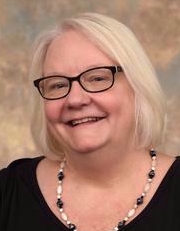
Pat (Patricia) Tille
Professor and Graduate Program Director Medical Laboratory Science, CAHS Clinical & Health Info Sciences
HSB

Ready to get started?
We offer over 130 degrees from undergraduate to doctoral programs. Each program is supported by a team of Enrollment Services Advisors (ESAs) who are here to help answer any questions you have.